

The future of Litzenberg Memorial Long Term Care: A community at a crossroads
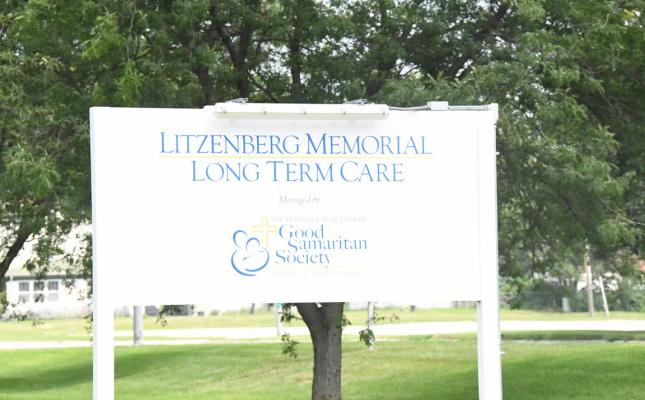
The Debate Continues Further discussion on the future of Litzenberg Memorial Long Term Care will take place on Tuesday, August, 27 during the Merrick County Board of Supervisors meeting that will begin at 9am at the courthouse.
As the debate over the future of Litzenberg Long-Term Care intensifies, the Merrick County community finds itself at a pivotal juncture. The recent decision by the Merrick County Board of Supervisors to reject a bond proposal for a new long-term care facility has left residents and stakeholders grappling with questions about the path forward. This decision, reached by a 5-2 vote last Tuesday, marks a significant turning point in an ongoing saga that has spanned several years, involving complex financial considerations, community values, and the well-being of the county’s elderly population.
The challenges facing Litzenberg Long-Term Care have been building for years. The facility, which has been a cornerstone of elder care in Merrick County, found itself in a precarious position following the construction of the new Merrick Medical Center. The new hospital, which opened in June 2022 on land donated by the Dinsdale family, left Litzenberg with aging infrastructure and a partially vacant building.
The county’s journey to address these challenges began in earnest in 2017, when Merrick County entered into a lease agreement with Bryan Health, allowing Bryan to use county-owned facilities until the completion of the new hospital. With the hospital’s relocation, the county was faced with the daunting task of either renovating the existing Litzenberg facility or exploring the construction of a new building.
In December 2022, the county sought bids to update the facility’s electrical, sewer, and heating systems. The bid of $2.4 million far exceeded initial expectations, leading to a town hall meeting in January 2023 where the community voiced strong support for maintaining county ownership and investing in a new long-term care facility.
This community support led the Board of Supervisors to commit to continuing county involvement in healthcare. In April 2023, the board voted to keep Litzenberg under county control and to enter into a management contract with Good Samaritan, ensuring that the facility would continue to operate at least through June 2024.
As planning for a new facility progressed, the county contracted with CMBA Architects in December 2023 to develop blueprints and cost estimates. By July 2024, the projected cost for a new 46-bed facility, to be located on Bryan-owned land adjacent to the new hospital, had risen to nearly $17 million. The proposed facility was designed to be self-sustaining, with conservative financial models indicating that it could operate without additional taxpayer burden.
Despite this planning, the Merrick County Board of Supervisors voted last Tuesday against placing a bond measure on the November 2024 ballot, effectively halting the immediate progress of the project. Supervisors Jan Placke, Carolyn Kucera, Roger Wiegert, Tom Weller, and Dennis Jarecke voted against the proposal, while Supervisors Ed Dexter and Russell Kreachbaum supported it.
This decision has sparked a mix of reactions within the community. On one side, there are concerns about the financial implications of a new facility and the potential burden on taxpayers. On the other, there is frustration that the bond proposal was not allowed to proceed to a public vote, particularly given the earlier commitment by the board to support the project.
At the heart of this debate is the well-being of the residents and employees of Litzenberg Long-Term Care. For many, this facility is not just a building; it is a lifeline. The possibility of maintaining operations without the necessary upgrades or a new facility raises concerns about the quality of care that can be provided. There are fears that residents may eventually be forced to seek care outside of Merrick County, a scenario that could separate them from their families and support networks.
Tyson Benner, a member of the Long-Term Care Board who has been deeply involved in the planning process, has voiced his concerns about the board’s decision. In a letter to the editor, Benner highlighted the extensive efforts made by the Long-Term Care Board, community volunteers, and architects to develop a viable plan for the future of the facility. He expressed disappointment that the bond proposal was not given the chance to be decided by the voters, emphasizing that the community had previously shown strong support for the project.
Beyond the human impact, there are also economic considerations. Litzenberg contributes over $2 million annually in payroll to the local economy, and many third-party contracts related to the facility are held with local businesses. The potential loss of these economic benefits is a significant concern for the community.
With the bond proposal off the table, the future of Litzenberg Long-Term Care remains uncertain. The Board of Supervisors and the Long-Term Care Board now face the challenging task of exploring alternative solutions. Options may include revisiting renovation plans for the existing building, seeking alternative funding sources, or even considering the sale of the facility—an option that remains controversial within the community.
The upcoming August 27th board meeting will be a critical moment for further discussion. It is expected that community input will play a key role in shaping the decisions that are made. The board’s next steps will be closely watched by residents, employees, and other stakeholders who have a vested interest in the outcome.
The future of Litzenberg Long-Term Care is a complex issue that touches on many facets of community life in Merrick County. It involves not only financial and operational considerations but also the deeply personal concerns of those who rely on the facility for care and employment. As the community continues to grapple with these challenges, it is essential that all voices are heard and that the decisions made reflect the values and needs of the people of Merrick County.
The rejection of the bond proposal is a significant moment in this ongoing story, but it is not the end. The community’s involvement in the upcoming discussions will be crucial in finding a sustainable and acceptable solution for the future of long-term care in Merrick County. Whatever the outcome, it is clear that the decisions made in the coming months will have lasting implications for the community and its most vulnerable residents.