

The Evolution of Easter: From Resurrection to Rabbits
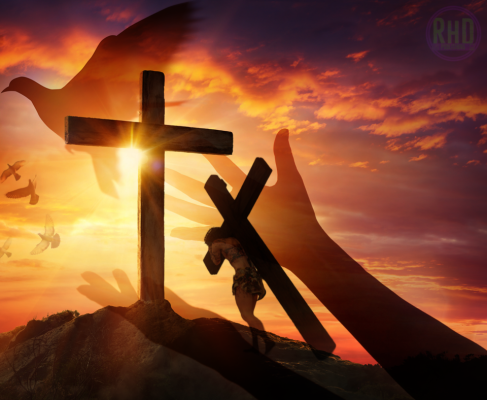
Easter, a central holiday in the Christian calendar, celebrates the resurrection of Jesus Christ from the dead, an event that forms the foundation of Christian faith. However, the Easter we observe today is adorned with traditions that stretch far beyond its Christian origins, merging ancient pagan customs with the sacred.
To understand this blend, it's essential to delve into the history of Easter and the pagan influences that have shaped its modern celebration.The story of Easter begins with its Christian roots, commemorating Jesus Christ's resurrection on the third day after his crucifixion.
This miraculous event is the climax of Lent, a 40-day period of fasting and repentance, leading up to Holy Week, which includes Good Friday (the day of Jesus's crucifixion) and Easter Sunday (the day of His resurrection). The date of Easter is determined by a complex system linked to the lunar calendar, specifically the first Sunday after the first full moon following the vernal equinox.
The introduction of bunnies and eggs into Easter festivities is where the lines between ancient pagan traditions and Christian observance blur.
To understand the pagan connection, one must first recognize who the pagans were. The term "pagan" historically referred to rural folk and was later used to describe people following polytheistic religions, that is, worshipping multiple gods or goddesses, particularly those in pre-Christian Europe. These religions were deeply connected to the cycles of nature, celebrating the changing seasons, fertility, and renewal—themes that naturally align with the essence of spring.
Eggs, universally symbols of new life and rebirth, fit naturally into these springtime celebrations. The tradition of decorating eggs dates back thousands of years, with ancient Persians coloring eggs for Nowruz, their New Year's festival on the spring equinox. As Christianity spread across Europe, it encountered a tapestry of pagan beliefs and customs. Early Christian missionaries, seeking to convert pagan populations, often incorporated local traditions into Christian festivals to make the new faith more appealing. This syncretism led to the adoption of the egg as a symbol of Easter, merging its pagan connotations of renewal with the Christian themes of resurrection and new life.
The Easter bunny's origins are similarly intertwined with pagan traditions, particularly the festival of Eostre, a celebration honoring the Anglo-Saxon goddess of fertility and spring. Her symbol, the rabbit, known for its prolific breeding, became associated with the theme of fertility. As with eggs, the rabbit was absorbed into Easter celebrations, symbolizing life and rebirth.
This practice of incorporating pagan symbols into Christian observance reached the American shores with German immigrants in the 18th century, who brought with them the tale of an egg-laying hare called "Osterhase" or "Oschter Haws." Children would prepare nests for it to lay its colored eggs, a custom evolving into today's Easter egg hunts.
While commercialization has further expanded Easter traditions to include chocolate eggs and bunnies, Easter parades, and more, the holiday remains a complex tapestry of religious and cultural threads. For Christians, Easter is a solemn observance of Jesus Christ's resurrection, a promise of eternal life. For others, it signifies spring's arrival, a celebration of renewal and growth.
Thus, Easter serves as a vivid example of how traditions can evolve and meld over time, embodying themes of hope, renewal, and joy that resonate across different beliefs and cultures. Whether celebrated as a religious observance or a secular sign of spring, Easter's rich history highlights the interplay between Christianity and ancient customs, offering a moment for reflection and celebration for many around the world.